The 2000s
| Years | October 2001-December 2012 |
|---|---|
| Voters | 30 |
| Stakeholder groups | 26 |
| Scenarios | 4 |
The 2000s era runs from October 2001 to December 2012, with a cast of thirty voters and its own state-by-state data. It reuses the stakeholder groups from the Nineties era under the same names. It is the middle of the three casts that hand over to one another on the calendar. It takes over from The Nineties in October 2001, the month after the September 11 attacks, plays through to December 2012, and gives way to The Modern Era in January 2013. The setup screen describes the period as 9/11, the Iraq War, the financial crisis and Obama's first term.
Presidents on offer
The 2000s category offers three historical presidencies. George W. Bush in 2001 is the first term. He has lost the popular vote, and the dot-com bust and the September 11 attacks are still ahead of him. This scenario plays its first nine months on the Nineties cast, then switches to the 2000s cast in October 2001. Bush in 2005 is the second term, with the Iraq insurgency under way and Hurricane Katrina and the financial crisis still ahead; this scenario starts directly on the 2000s cast. Barack Obama in 2009 is the first term. He inherits the worst recession since 1929, with the Iraq drawdown and the Afghan troop surge ahead of him. Among the alternative candidacies, Al Gore in 2001 and John Kerry in 2005 play in the two Bush worlds, and John McCain in 2009 plays in the Obama world. Every scenario in this era is premium. With Deployments and War switched on, the 2005 and 2009 starts inherit the Iraq War and the Afghanistan War, and the 2001 starts inherit no conflict.
The Obama 2009 and McCain 2009 scenarios are known to play on the Modern Era's cast of voters from January 2009 onward, rather than on the 2000s cast their setting would suggest.
The post-9/11 mood
From October 2001 to December 2003, every voter's reaction carries one extra line about the state of the country. Through September 2002, this line says the country is angry, wants the people behind the attacks hunted down, and backs the use of force abroad, harsh treatment of terror suspects, and new surveillance and security powers at home. From October 2002 to December 2003, the line changes. The voter still backs the war on terror and its powers, and still turns against a leader who looks soft on them, but has also begun to question the cost of the next war. The voter is unchanged on every other issue in this period. Protest Paige and Berkeley Leonard, two members of the cast, are not affected by this extra line. There is no setup toggle for it, but a workshop pack can switch it off, for a timeline in which the September 11 attacks never happen.
How the period plays
The voters sit on the five-step scale from strong Democrat to strong Republican. The 26 stakeholder groups keep the Nineties' own names, from the Christian Coalition to the Reform Party, but their balance is different for this cast of voters. Diplomacy uses the modern set of relationships. Elections are scored state by state.
A unit of campaign war chest is worth $5 million before 2005 and $10 million from 2005 onward. In Career Mode, income and costs from this era are scaled to feel comparable to a career played in the present day (see Money in Career Mode).
Campaign-season media appearances take place on The O'Reilly Factor, Hannity and Colmes, Larry King Live, The Daily Show with Stewart, The Oprah Winfrey Show and NPR's All Things Considered.
Toggles
Whacko Mode has no separate exaggerated descriptions written for the 2000s cast yet, so each voter's exaggerated reaction is simply a copy of their realistic one, and the mode plays in the realistic voice in this era. Tweeter exists from 2006 onward, but it does not work reliably for a career governor in this era, and it is not available at all in the presidency game's Bush 2001, Gore and Kerry scenarios. Red Scare is not offered outside the Fifties. The Fourth Estate is not offered in any era, because it is still being built. Covert Operations runs its War on Terror theatre in this era. Dirty Tricks, Expanded Congress, Weekly Pacing, Presidential Debates, Difficulty and National-Vote Elections are all available, and the debate rounds in this era are judged by the 2000s cast.
The cast
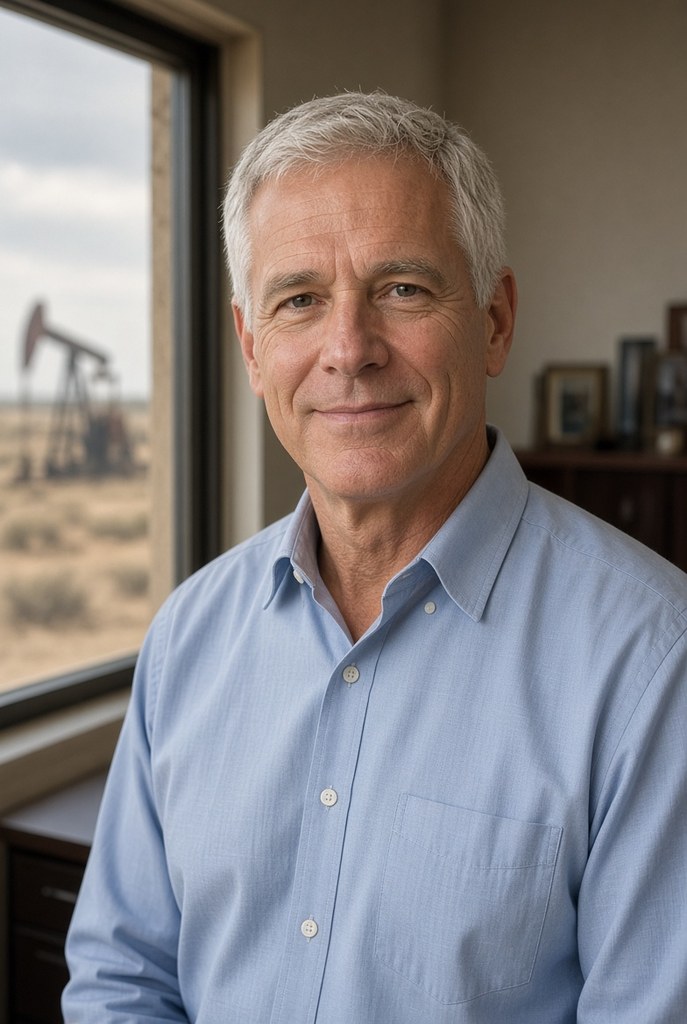 Abilene RayStrong Republican
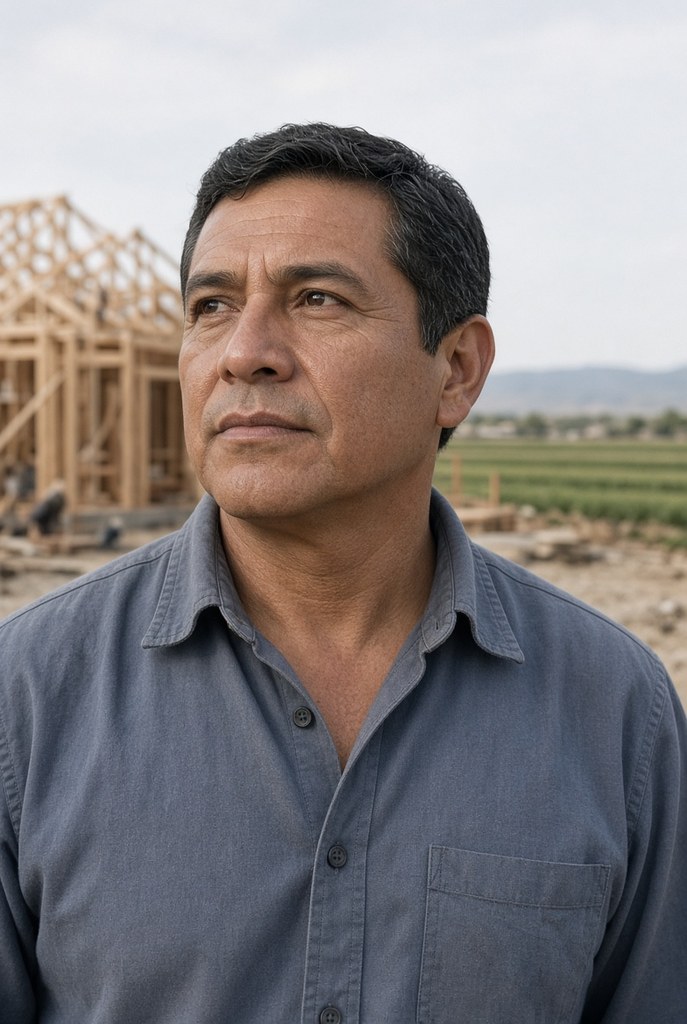 Bakersfield JesúsLean Democrat
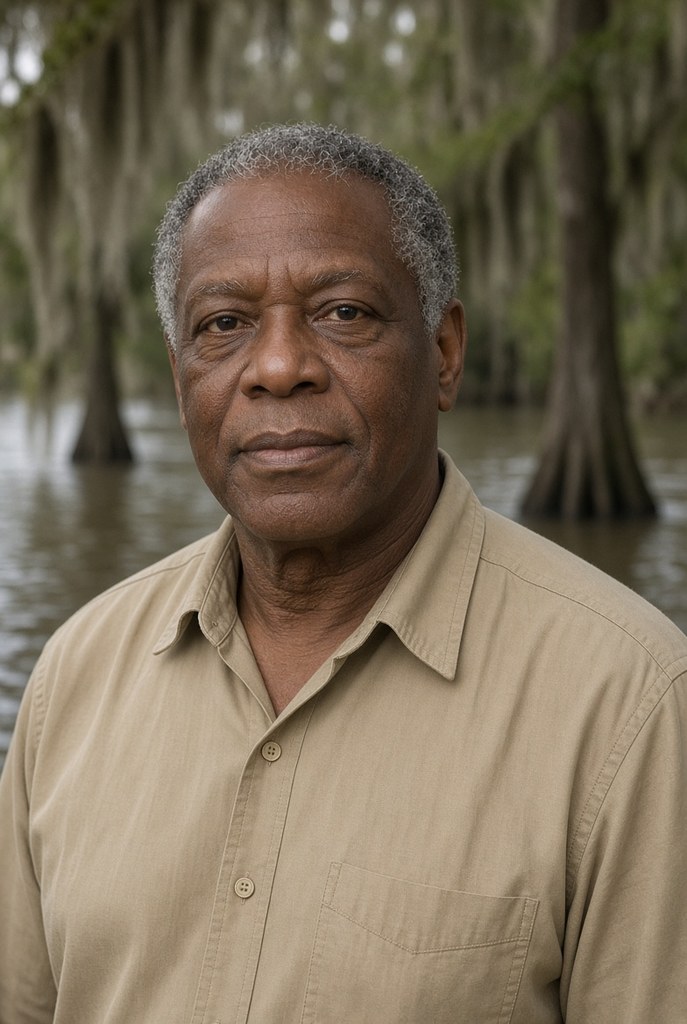 Bayou CurtisStrong Republican
 Beltway MeredithLean Democrat
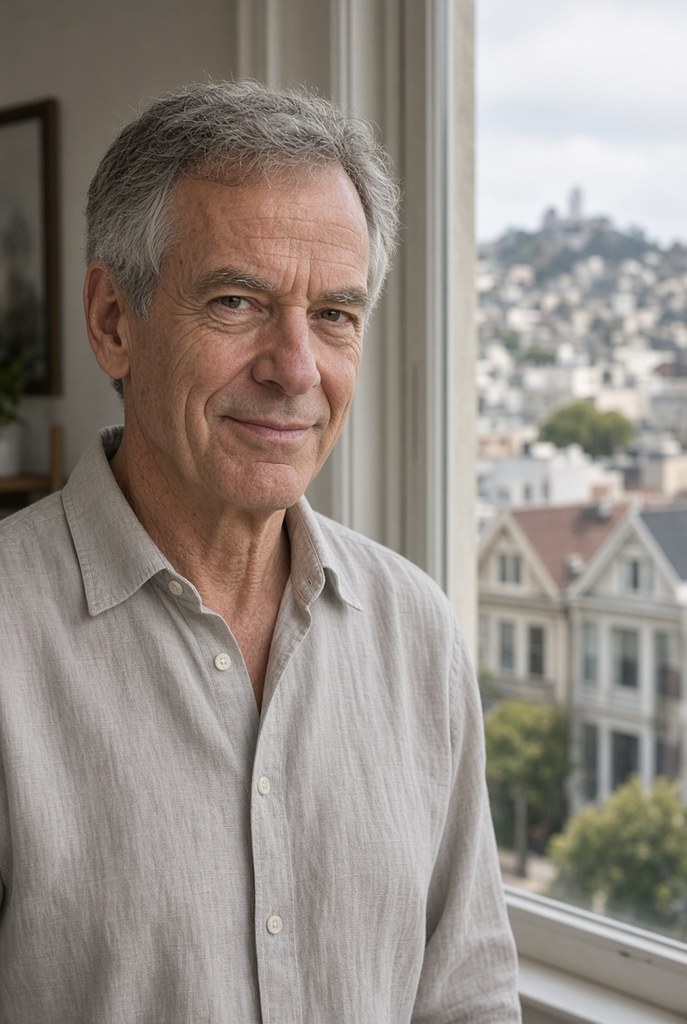 Berkeley LeonardLean Democrat
 Chattanooga TravisLean Republican
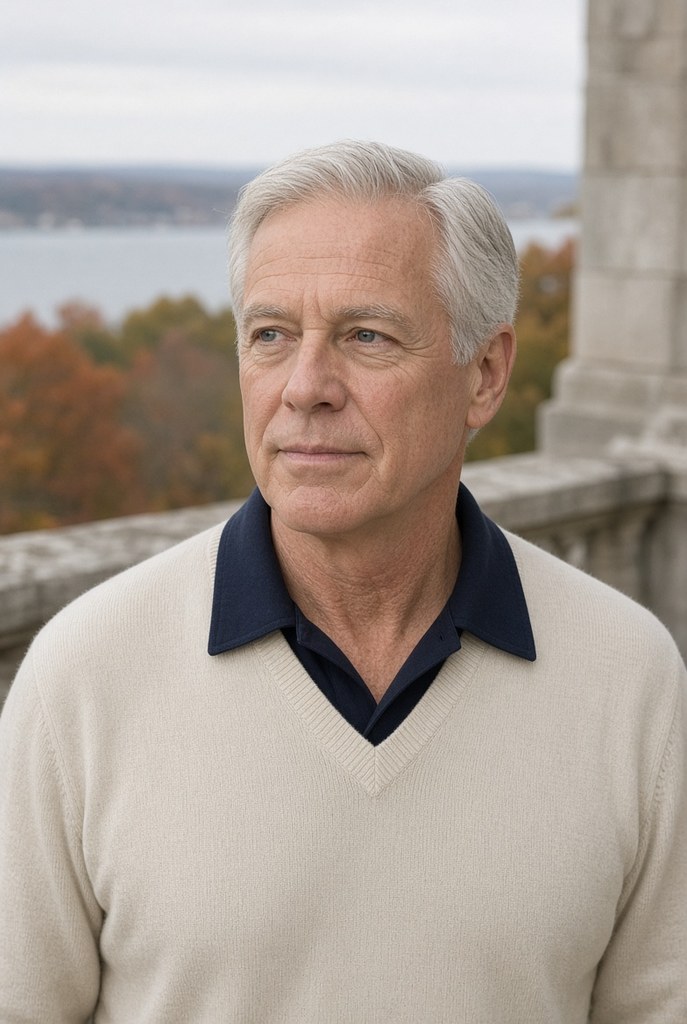 Country Club WhitLean Republican
 Dayton TammySwing voter
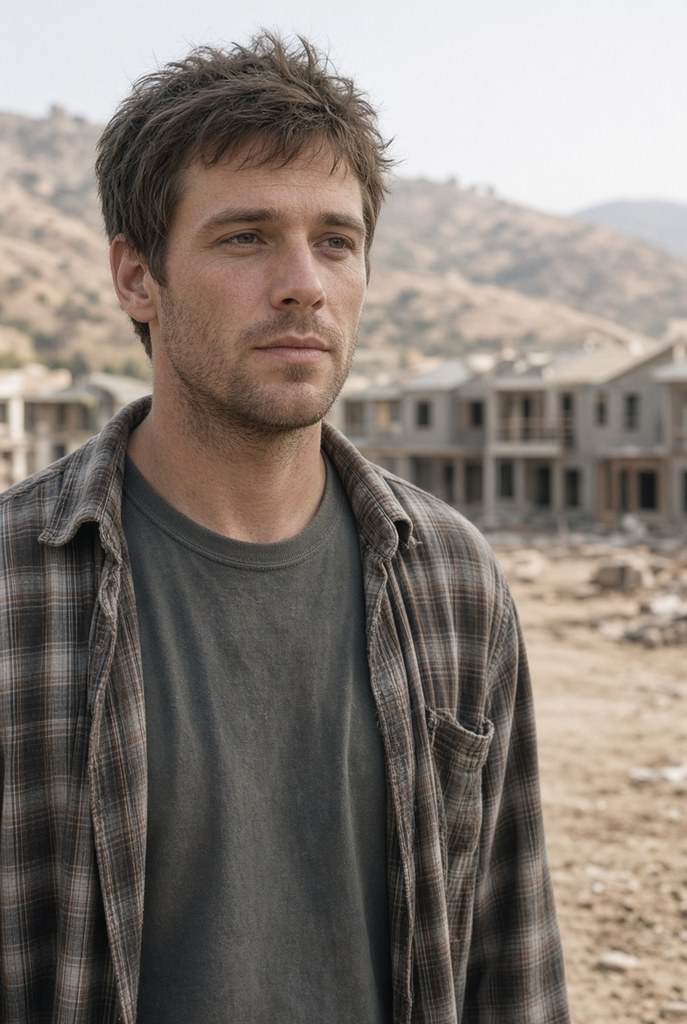 Drywall JoshSwing voter
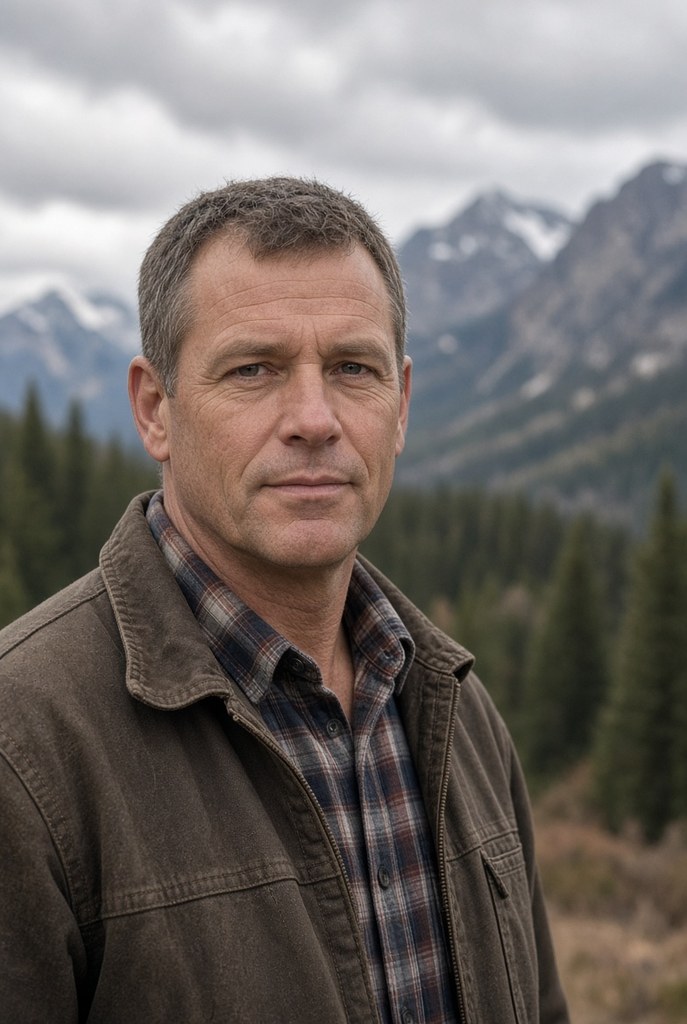 Flathead WadeSwing voter
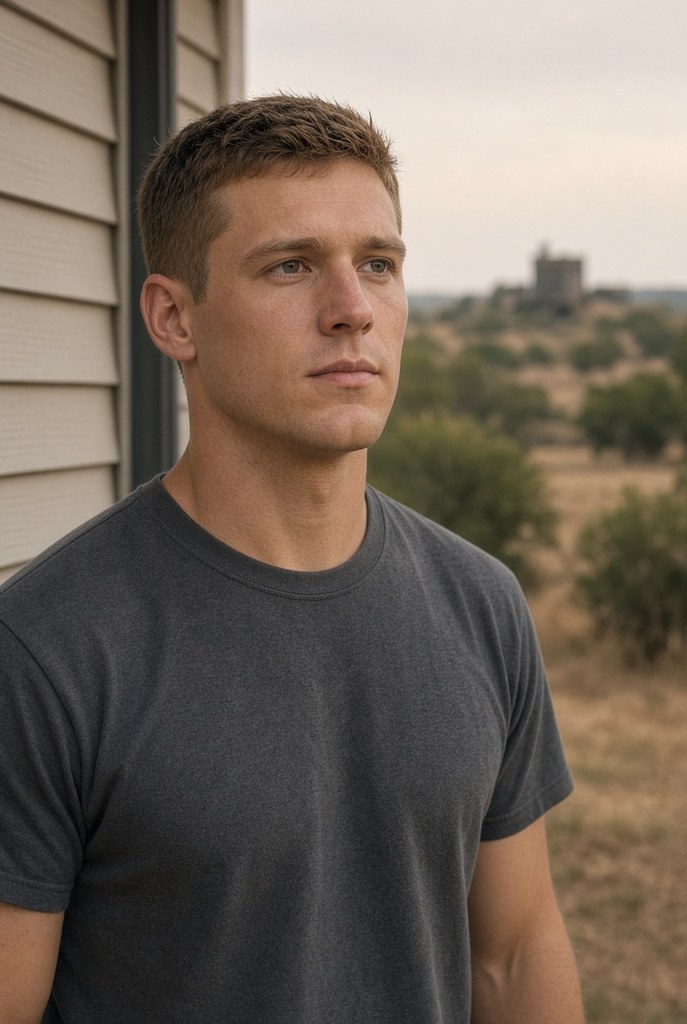 Fort Hood CodyLean Republican
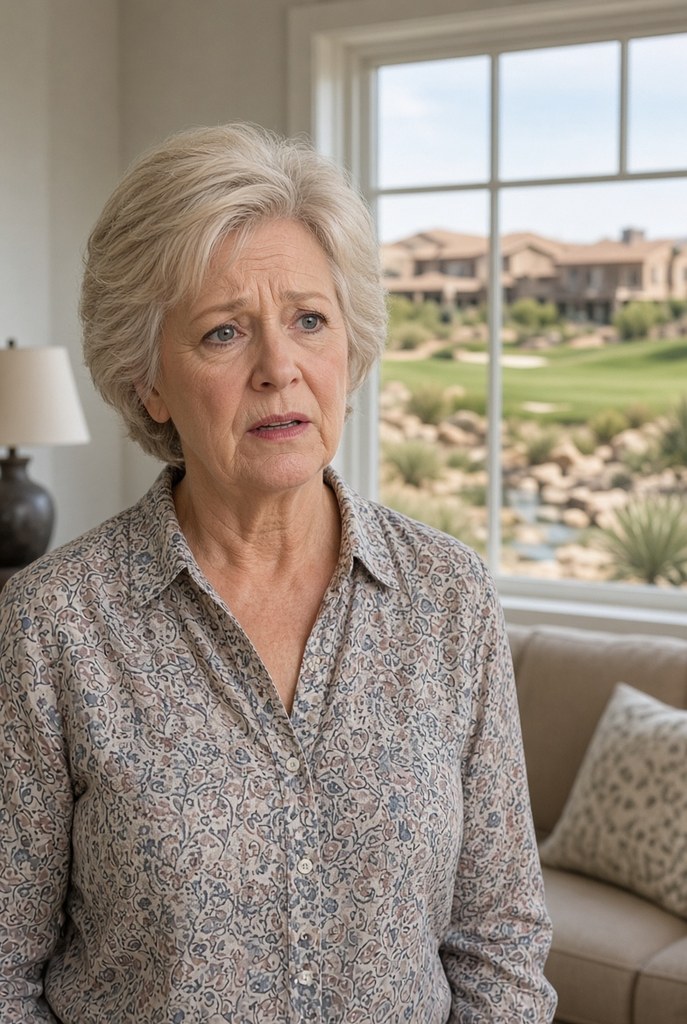 Fox News PhyllisSwing voter
 Fremont AnjaliLean Democrat
 Greensboro JasmineLean Democrat
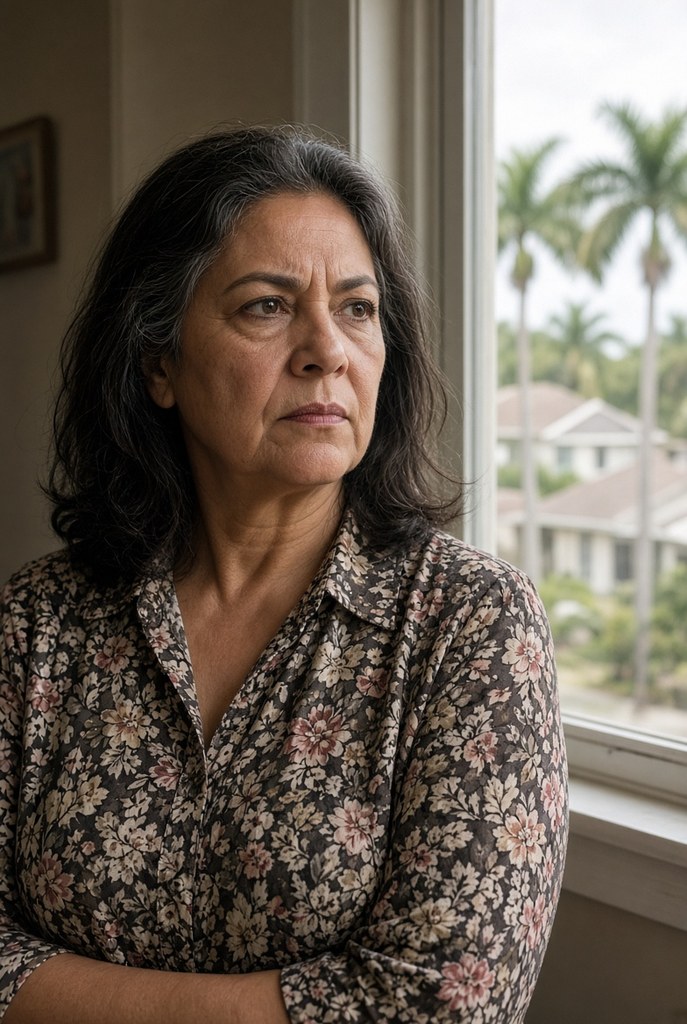 Hialeah GladysStrong Republican
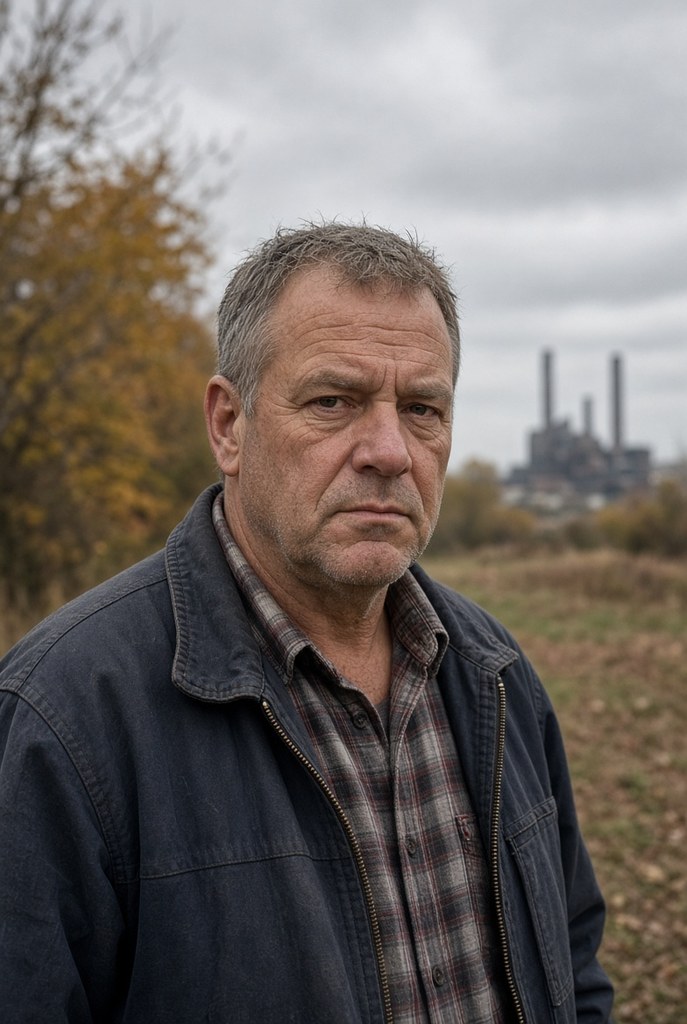 Janesville GarySwing voter
 Jasper FayeStrong Republican
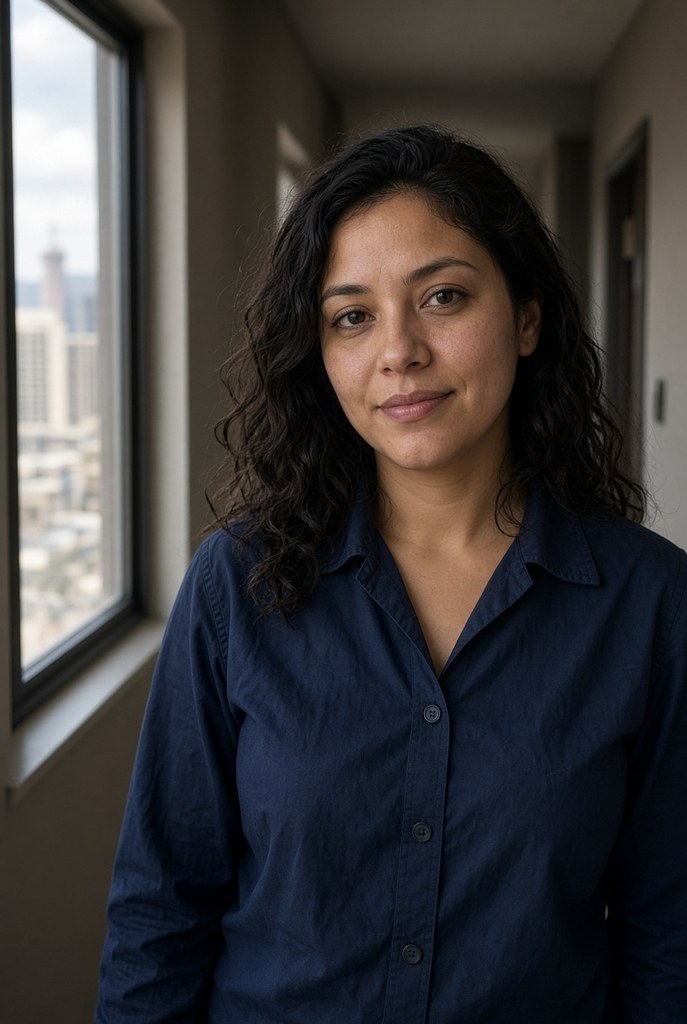 Las Vegas MarisolLean Democrat
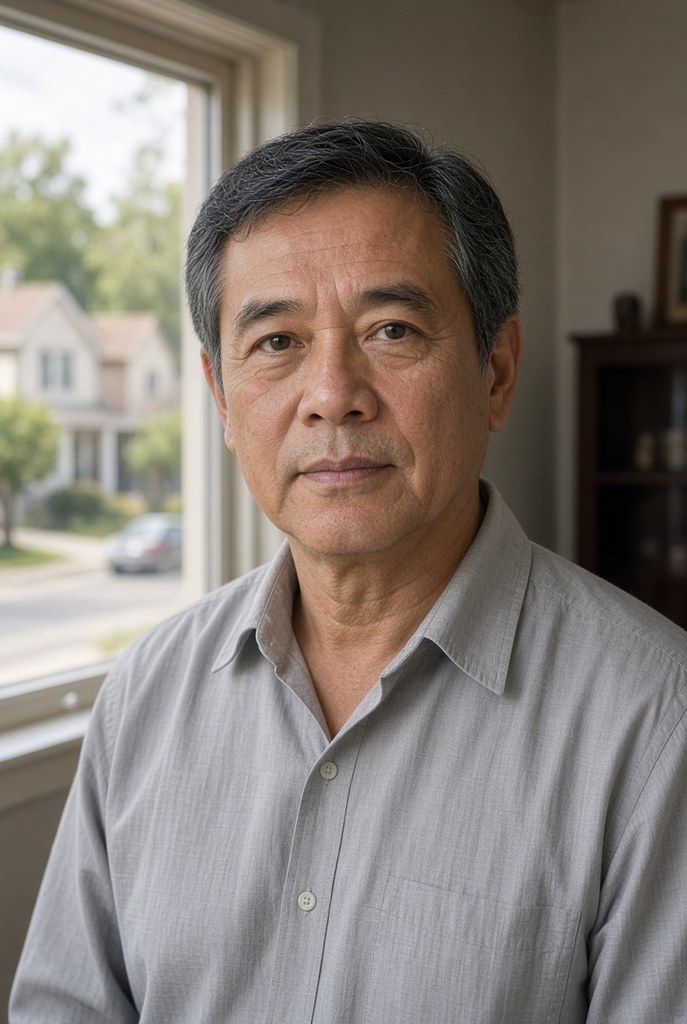 Little Saigon TuanLean Republican
 Megachurch HeatherStrong Republican
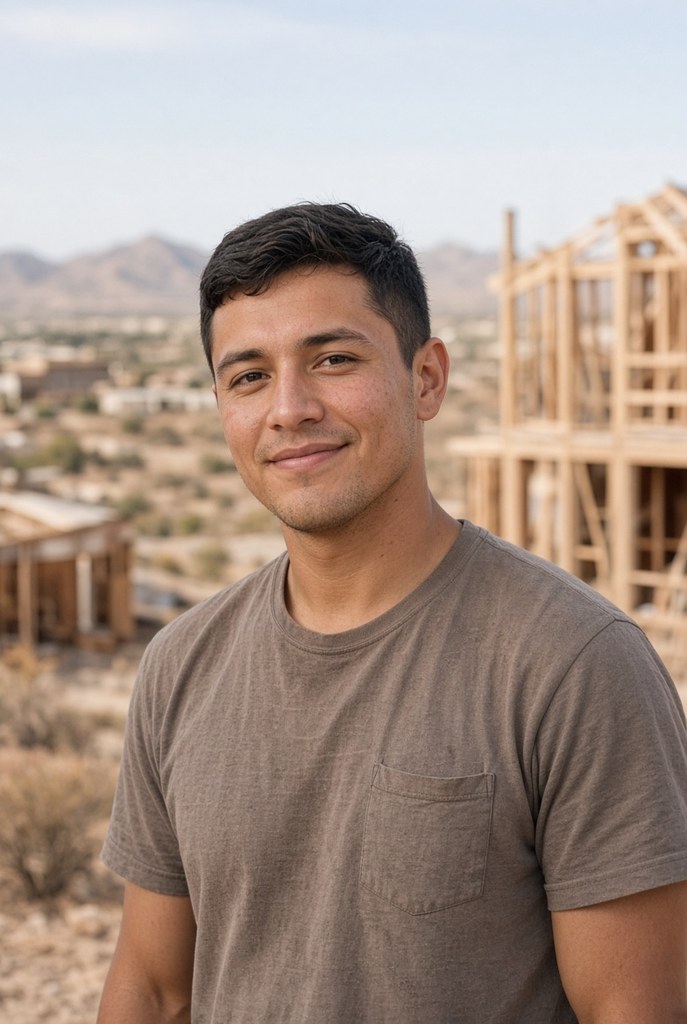 Mesa RubenSwing voter
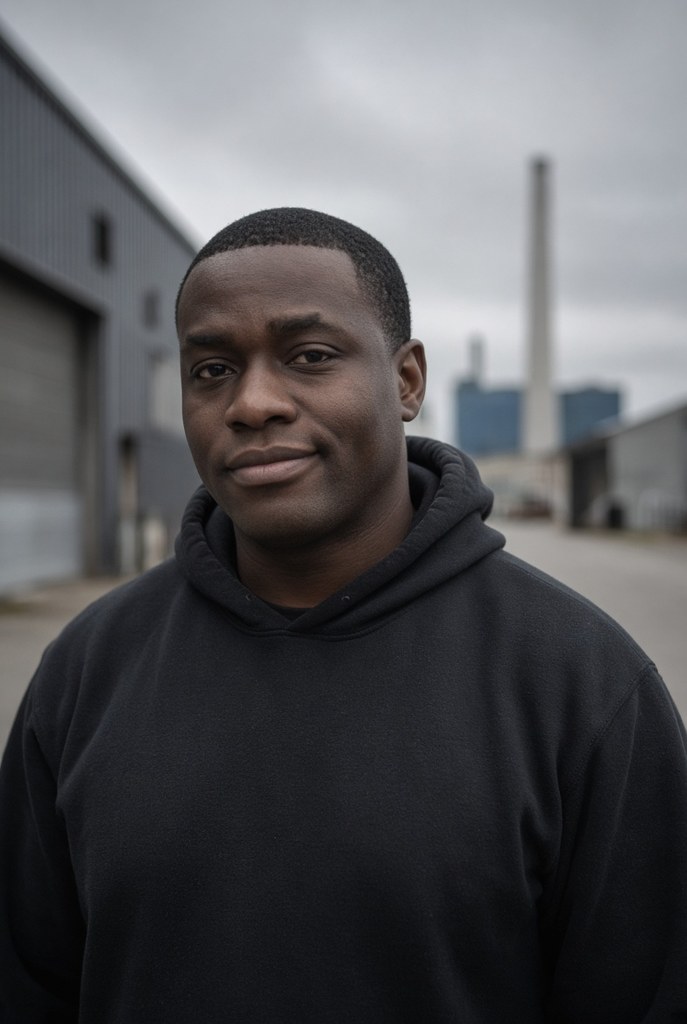 Milwaukee MarcusLean Democrat
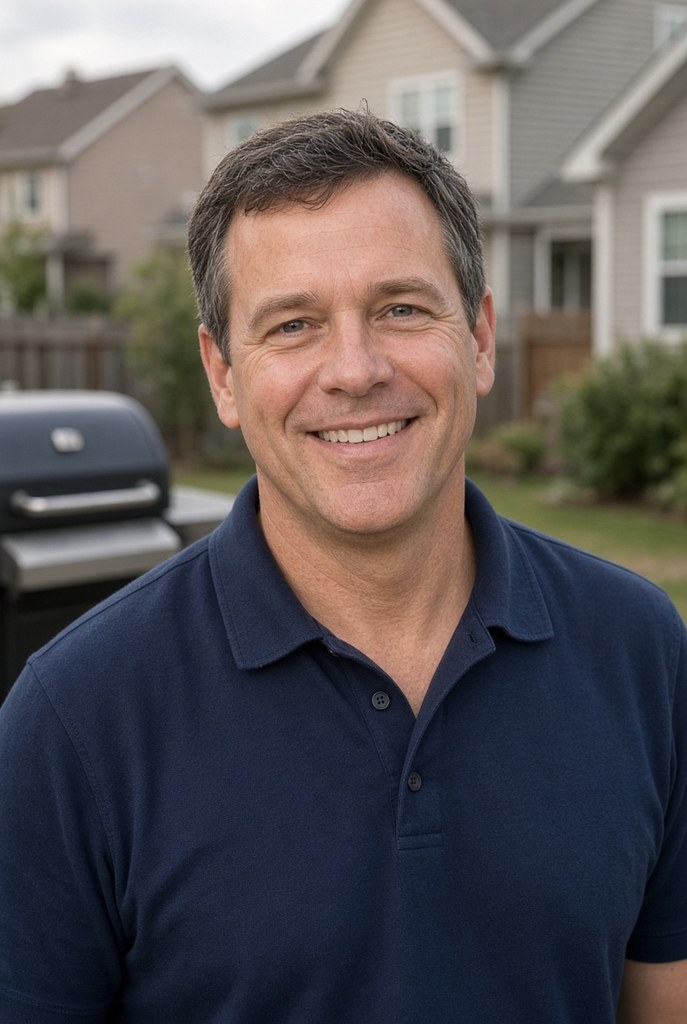 NASCAR DougSwing voter
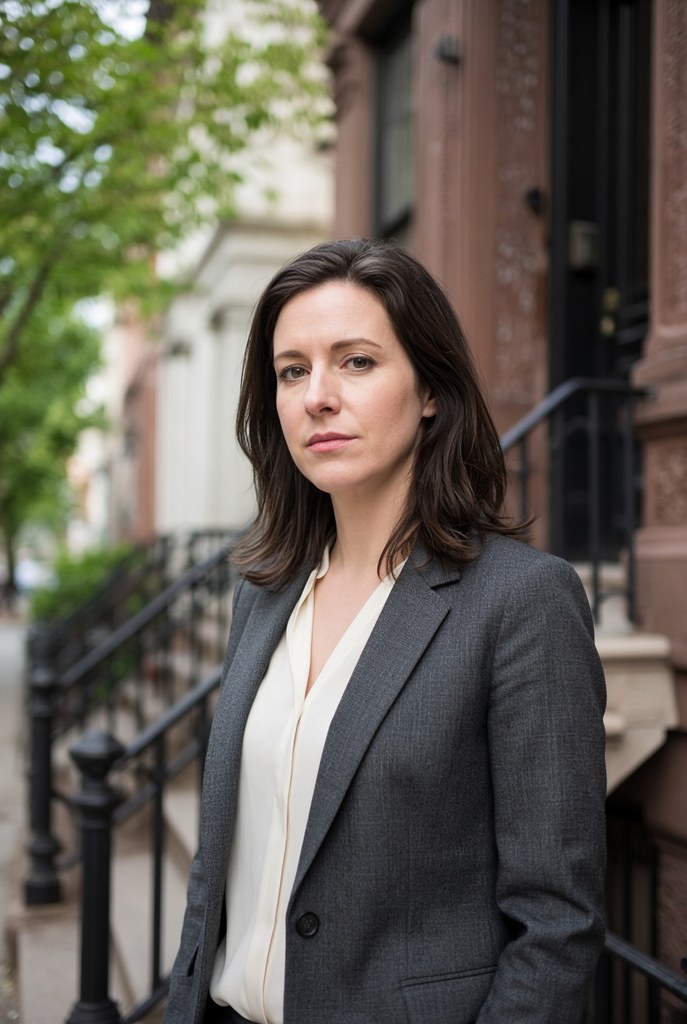 Park Slope DanaLean Democrat
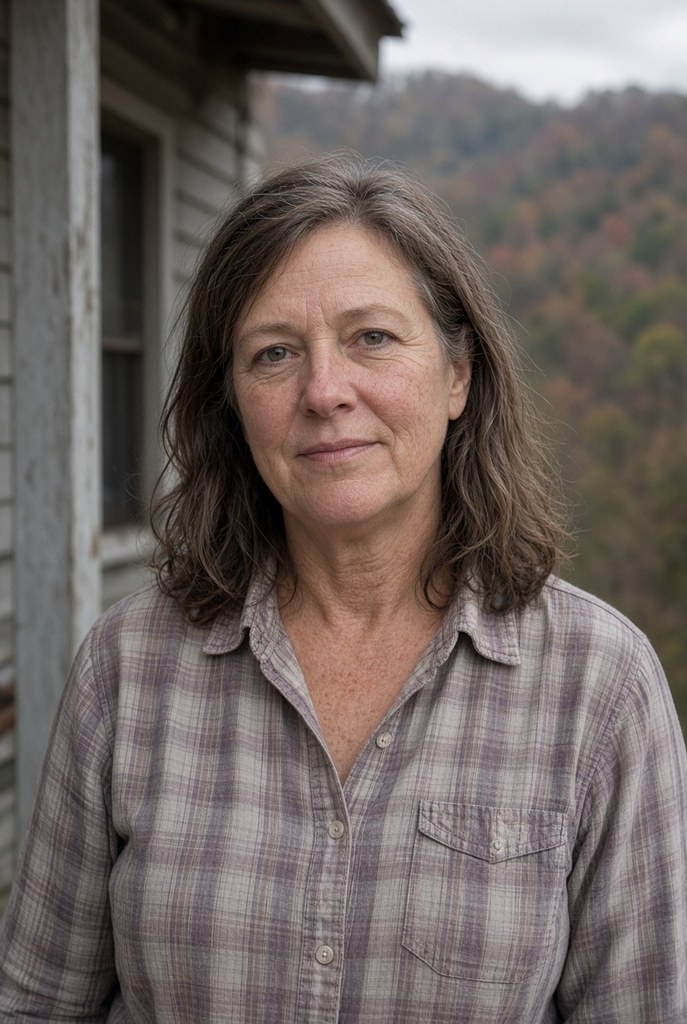 Pike County BrendaSwing voter
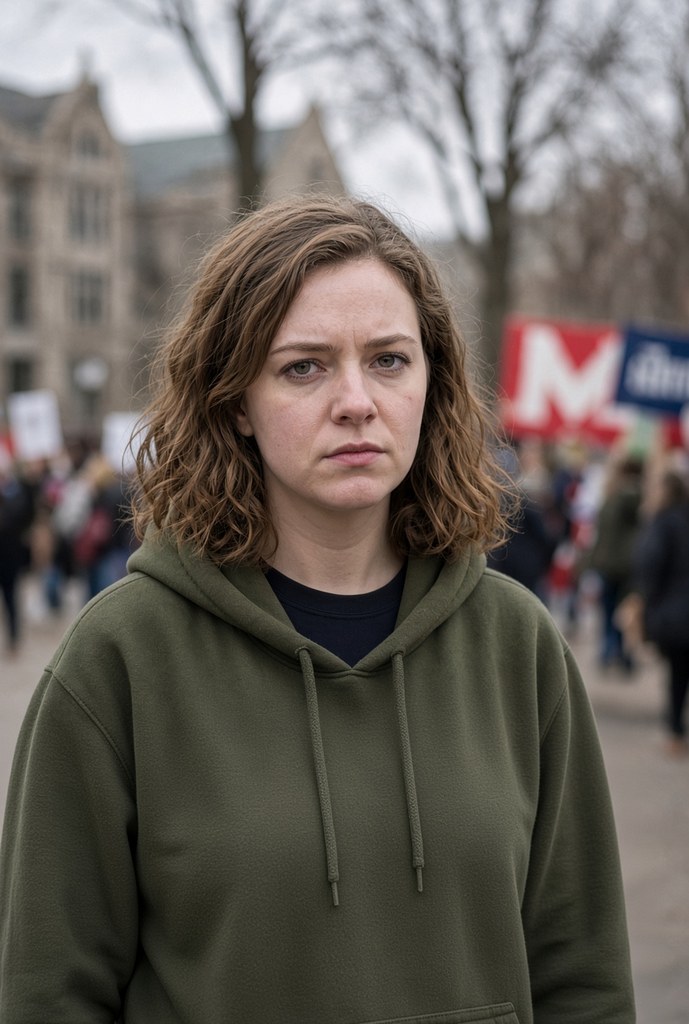 Protest PaigeStrong Democrat
 Security Mom DonnaSwing voter
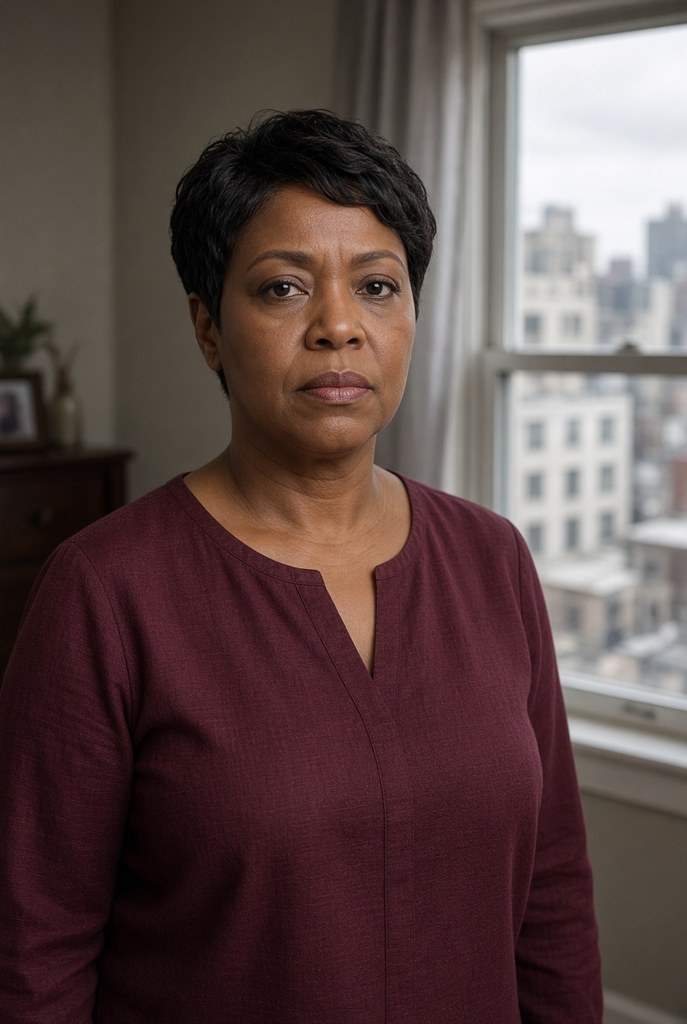 Sister LorettaStrong Democrat
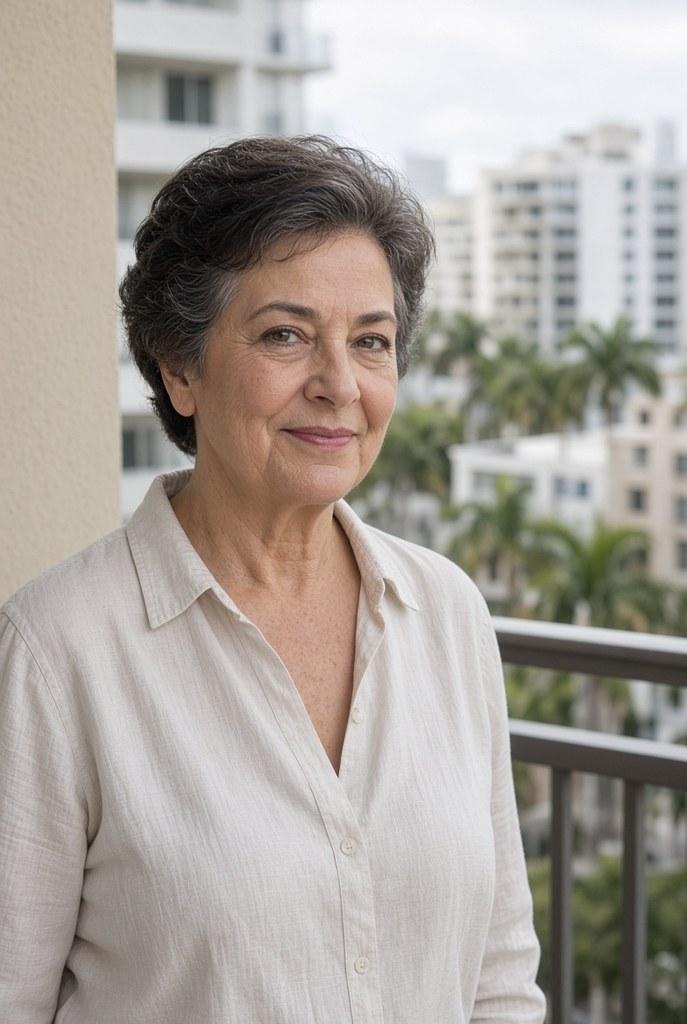 Snowbird AngelaSwing voter
 Startup SethLean Republican
Stakeholders
- Wall Street & Financial Sector
- US Chamber of Commerce
- Small Business Federation
- Silicon Valley & Dot-Com VCs
- Oil & Energy Lobby
- AFL-CIO / Organized Labor
- Teachers' Unions (NEA/AFT)
- Network TV & CNN
- Talk Radio (Limbaugh Era)
- NYT/WaPo Establishment
- Fox News (Post-1996)
- Christian Coalition / Religious Right
- Country Club Republicans
- DLC / New Democrats
- Liberal Democrats / Old Labor
- Paleoconservative Right
- Reform Party / Perot Independents
- NRA & Gun Rights
- Sierra Club / Environmental Movement
- NAACP & Civil Rights Coalition
- NOW / Feminist Movement
- HRC & Gay Rights Movement
- AIPAC / Pro-Israel Lobby
- USCCB / Catholic Bishops
- AARP / Retiree Lobby
- Pentagon & Defence Establishment
Scenarios
- George W. Bush (2005)
- Barack Obama (2009)
- John Kerry (2005)
- John McCain (2009)