Abilene Ray
 | |
| Era | The 2000s |
|---|---|
| Age | 50-59 |
| Home | Abilene, TX |
| Demographic | white, small-business owner, Baptist deacon |
| Lean | Strong Republican |
| Race | white |
| Predecessor | Main Street Don |
| Successor | Texas Tom |
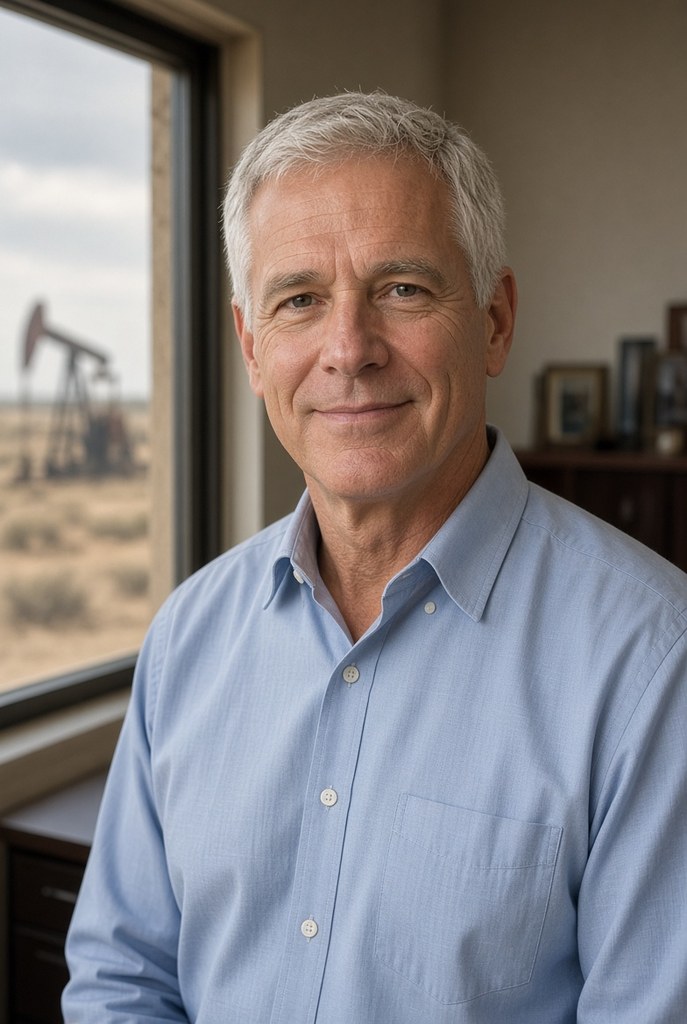
Ray owns an oilfield-supply business and is a Baptist deacon in West Texas. He is a small-town business Republican, a group that formed the core of George W. Bush's coalition, and he remains more loyal to the Republican Party than his successor.
Who they stand for
Small-town business Republicans form the core of George W. Bush's support. They serve as Chamber of Commerce members and Baptist deacons across Texas, the Great Plains and the Mountain West, and Bush wins their counties roughly three to one. The 2001 and 2003 tax cuts, and the estate tax's phased repeal, are designed for voters like them. When oil passes seventy dollars a barrel in 2006, West Texas becomes more prosperous than any time since the 1980s. The war on terror is a local cause, since their towns hold air bases and their churches support it.
Immigration divides this group across the decade. Business owners employ Mexican labour and support Bush's 2006 and 2007 guest-worker plan, which the party's talk-radio wing defeats. Afterwards the party splits between business members and church members, and Ray belongs to both.
Ray is the second of three personas in this line. His predecessor, McPherson Don, is a swing voter moved by the arrival of a chain store such as Walmart. Ray is a party loyalist. His successor, Texas Tom, keeps the same loyalty but is less courteous towards opponents, because the Tea Party later teaches Republicans to treat their own establishment as an enemy.
Playing to them
Ray supports the standard Republican programme of the decade, which includes tax cuts, the repeal of the estate tax, oil drilling, school vouchers, a firm policy in Iraq, and a president who is seen to pray. He wants a guest-worker scheme together with a border fence at the same time, and he regards a president who offers only one of the two as not serious about immigration. Unlike Country Club Whit, Ray is not concerned about the budget deficit and is not embarrassed by the religious right.
He turns against a president who shows contempt for the church, raises taxes on his business, introduces government-run health care, or offers amnesty without enforcement at the border. He regards Democrats as decent people who are wrong, so a Democratic president can earn his respect without winning his vote. Winning his support on moral issues and taxes tends to cost the support of Berkeley Leonard, Park Slope Dana, Protest Paige and Sister Loretta. The guest-worker half of his immigration position costs the support of Fox News Phyllis and Flathead Wade, who regard a guest-worker programme as an amnesty.
Where they live
The five states where Abilene Ray makes up the largest share of the electorate in the 2000s:
- Nebraska
- Idaho
- Wyoming
- Alaska
- Montana
Lineage
Main Street Don → Abilene Ray → Texas Tom
Small-town business Republicans, and what changes is that the courtesy goes and grievance replaces it. Don belongs to the Chamber of Commerce and votes Bob Dole, and is populist only when Walmart takes his trade. Ray belongs to the Chamber and the church, is Bush's base, and is civil to the liberals at Rotary. Tom is not civil: government is the problem, coastal elites run the country, and woke is the enemy. The town lost to Walmart, then his church's side lost on marriage, and anger is what remains. Swing, then strong Republican.