Gary Greenwall
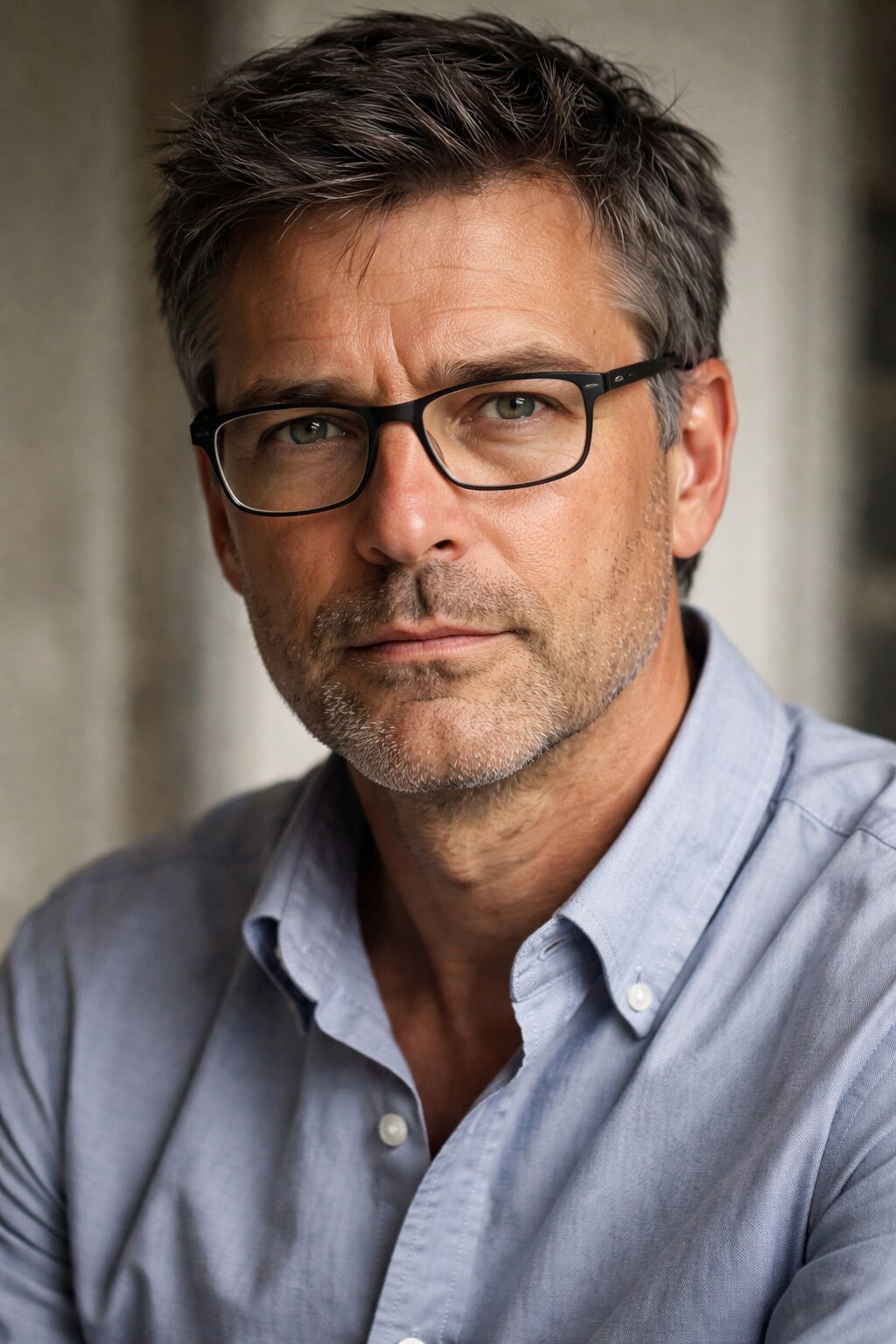 | |
| Era | Tweeter Is Not Real Life (cast) |
|---|---|
| Age | 50-60 |
| Home | Rio de Janeiro / Florida |
| Demographic | journalist, white, civil-libertarian |
| Lean | Swing voter |
| Race | white |
He is an investigative journalist who left the mainstream press and now writes from Rio de Janeiro and Florida about surveillance, censorship and war. He attacks whichever party holds the White House, belongs to neither political camp, and is trusted by both.
Who they stand for
He stands for the civil-liberties bloc that formed in opposition to the war on terror and never disbanded. Its members opposed the Patriot Act of 2001 and the invasion of Iraq, and they welcomed the surveillance disclosures of 2013. They broke with their former liberal allies over the Russia investigation of 2017 to 2019 and over the suppression of a newspaper story on social media platforms in October 2020. By the 2020s they were appearing on right-wing television and radio shows to say things that left-wing shows would no longer broadcast, and they opposed both the Ukraine appropriations and military aid to Israel with equal force. This bloc is small, educated and does not belong to either party, and it is over-represented among the people who decide what counts as a political scandal.
He differs from Michael Tabbi because his focus is foreign policy rather than money, and from Crystal Ball because his grievance is against the state rather than the economy. He is the persona in the cast most focused on the danger posed by the intelligence agencies.
Playing to them
He supports a pardon for a whistleblower, an end to warrantless surveillance, declassification of government records, a public refusal to pressure technology platforms, and any war avoided or arms shipment not sent. He rewards consistency across different administrations more than any single act. He opposes a prosecution under the Espionage Act, a renewal of surveillance powers, a president who defends the intelligence agencies against their critics, and any arrangement to remove online content that is presented as fighting disinformation. A war of choice ends his support entirely.
Winning his support tends to cost the support of Ben Shindler and Barbara Wise, over Israel, and of Simon Harrisson, over Russia. It also costs Daniel Tetris, who sees his contrarian views as a service to the political right. Tucker Carlington, Crystal Ball and Michael Tabbi tend to support the same things he does on war and the press, and John Brogan does on free speech.