Central Valley Ramón
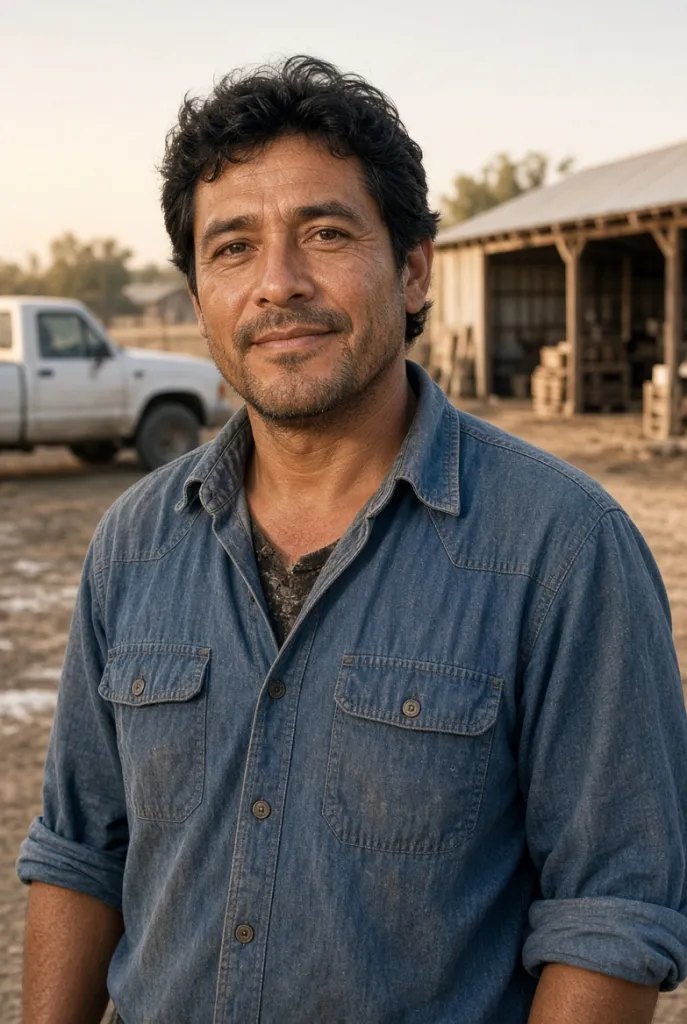 | |
| Era | The Nineties |
|---|---|
| Age | 30-45 |
| Home | Fresno County, CA |
| Demographic | Mexican-American, farm labour, first generation |
| Lean | Lean Democrat |
| Race | hispanic |
| Successor | Bakersfield Jesús |
Ramón is a naturalised Mexican-born crew foreman in Fresno County, California, whom Proposition 187 made politically active. He leans left on the economy, is conservative on social issues as a Catholic, and votes mainly on whether the state will target his crew and his relatives.
Who they stand for
Ramón stands for the Mexican-born agricultural workforce of California at the moment it became politically active. An amnesty passed in 1986 had given legal status to part of this workforce. Proposition 187, which passed in 1994 with 59 per cent of the vote and would have barred undocumented immigrants from public schools and non-emergency healthcare, mobilised the rest. Naturalisation applications surged in California in the years that followed, Latino voter registration rose sharply, and the state Republican Party, which had won the governorship by campaigning for Proposition 187, has not won California in a presidential election since 1988. The United Farm Workers union, founded by Cesar Chavez, was at its weakest point after his death in 1993, but it still supplies the political vocabulary that voters like Ramón use. Ramón is a Democrat on economic issues and cautious about abortion, as are his successors Bakersfield Jesús and Valley Rosa. What changes along this line of personas is which issue decides their vote. For Ramón and for Jesús, it is immigration, because their own legal status or that of people close to them is in doubt. For Rosa, who was born a citizen, it is instead the cost of raising children.
Playing to them
Ramón is won on immigration policy and almost nothing else. A president who supports a path to legal status, keeps immigration raids away from agricultural packing sheds, enforces wage laws against labour contractors, and keeps Border Patrol activity at the border itself, wins his support. He will not forgive a national version of Proposition 187, praise for former California Governor Pete Wilson, or an immigration enforcement drive that reaches into the fields where he works. He has little interest in gun policy or the broader culture war and does not understand why Washington politicians spend time on them.
Ramón is the direct opposite of Anaheim Darlene. The immigration measures that reassure her are the ones that cost Ramón's support. Koreatown Daniel and Bay Ridge Kevin object to an amnesty on principle. McPherson Don and Bergen Vinny complain about its cost. Rio Grande Ofelia, who resents newer immigrant arrivals herself, is not automatically on Ramón's side either. East LA Jazmín and Daly City Marilou come with him at no cost.
Where they live
The five states where Central Valley Ramón makes up the largest share of the electorate in the nineties:
- New Mexico
- California
- Texas
- Arizona
- New York
Lineage
Central Valley Ramón → Bakersfield Jesús → Valley Rosa
The Latino immigrant family: left on economics and cautious on abortion because Catholic, in all three decades. What changes is which issue decides the vote. Ramón and Jesús vote on immigration, because their crews and relatives have no papers, and nothing else matters to them as much. Rosa was born here and never had to think about legal status, so she votes on the cost of raising two children: Medicaid, childcare, the child tax credit. Immigration decides the vote only for the generation whose status is in doubt.