Castro Marty
 | |
| Era | The Nineties |
|---|---|
| Age | 38-52 |
| Home | Castro, San Francisco, CA |
| Demographic | urban white, gay, AIDS generation |
| Lean | Strong Democrat |
| Race | white |
| Successor | Berkeley Leonard |
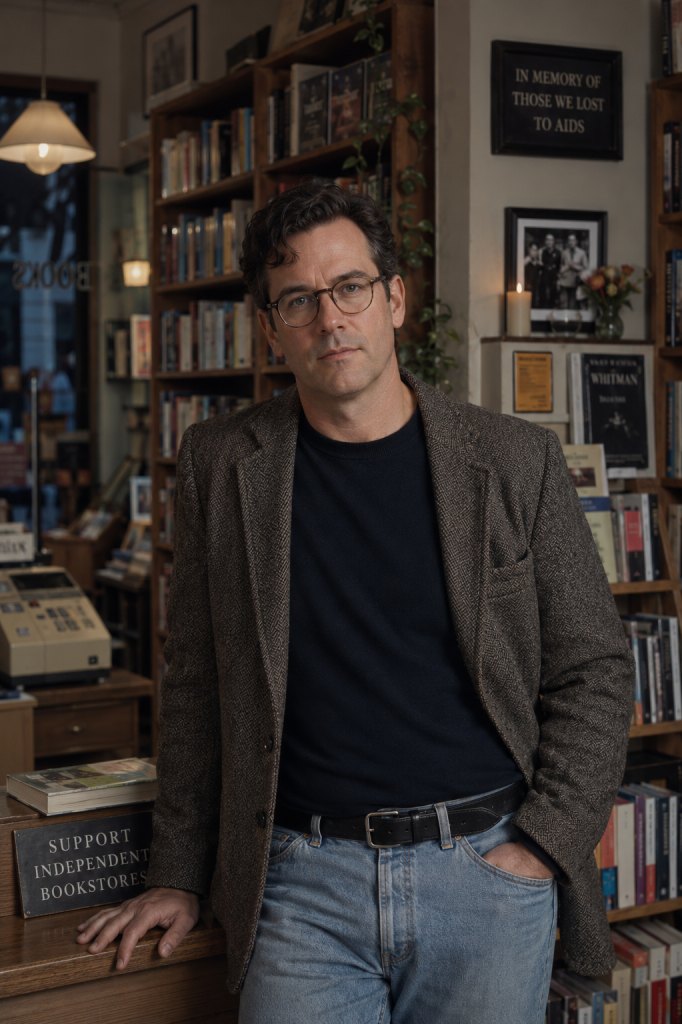
Marty is a gay bookshop manager on Castro Street in San Francisco who buried his partner and many friends to AIDS. He is an AIDS-era activist Democrat, unforgiving of delay, and loyal to a party he otherwise holds in contempt.
Who they stand for
Marty stands for urban gay men of the generation that lived through the AIDS epidemic, organised by the activist group ACT UP, whose direct action forced the Food and Drug Administration to approve treatments faster. In 1995, AIDS was the leading cause of death among Americans aged twenty-five to forty-four. The protease inhibitor drugs approved in 1996 cut the death rate sharply within two years, for patients with health insurance. Politically, the decade brings a series of promises only partly kept. President Clinton pledged to lift the ban on gay people serving openly in the military and instead accepted the compromise policy known as Don't Ask, Don't Tell in 1993. He signed the Defense of Marriage Act in 1996, and the Employment Non-Discrimination Act failed in the Senate by a single vote. The murder of Matthew Shepard in 1998 put hate-crimes legislation on the political agenda. This bloc is small and is the most reliably Democratic white constituency of the era. His successor, Berkeley Leonard, fights for a right to marriage that a court takes away, and Woodstock Allen fights for his Medicare coverage. The underlying politics stays the same even as the specific issue at stake becomes smaller.
Playing to them
Marty is won by government action on public health and lost by any concession to the religious right. Funding for AIDS research and the Ryan White programme, a faster FDA, needle exchange programmes, a federal hate-crimes law, the Employment Non-Discrimination Act, and a president willing to say the words gay and AIDS publicly all hold his support. Vetoing the Defense of Marriage Act or repealing Don't Ask, Don't Tell would make him a loyal supporter. He will not forgive silence. A president who lets Senator Jesse Helms set the terms of the debate, signs a ban on gay marriage to help a re-election campaign, or calls the epidemic over, earns a lasting hostility that no spending offsets.
Marty is the mirror image of Plano Kimberly and Cullman Eula. The policies that win his support are exactly the ones they will not forgive. Lejeune Dustin leaves a president who lifts the ban on gay men and women in the military. Bensonhurst Rosalie leaves over what she sees as a breakdown in standards of conduct. Coral Gables Orlando leaves over conflict with the Catholic Church. Madison Steph, Scarsdale Ellen and Dunwoody Amanda come along with Marty's wins at no additional cost.
Where they live
The five states where Castro Marty makes up the largest share of the electorate in the nineties:
- Massachusetts
- Rhode Island
- Washington
- Oregon
- Vermont
Lineage
Castro Marty → Berkeley Leonard → Woodstock Allen
The gay and New Left activist of the AIDS generation, whose political engagement is total because the epidemic forced it on him. What changes is what he is fighting for. Marty is fighting for his friends' lives. Leonard is fighting for his marriage, which was granted and then revoked by the court. Allen has won the marriage fight and is fighting for his own Medicare and health. The politics do not change. The stakes get smaller, and his tone goes from angry to panicked because he is fighting as hard as before for less.